BPC 157 is responsible for stimulating the production of angiogenic cytokines like VEGF, TGF-b, and FGF
Evidence Gaps and Expectations: Crucially, patients must understand the experimental nature
BPC-157 dosing depends on the route, goal, cycle length, product quality, medical history, and patient response

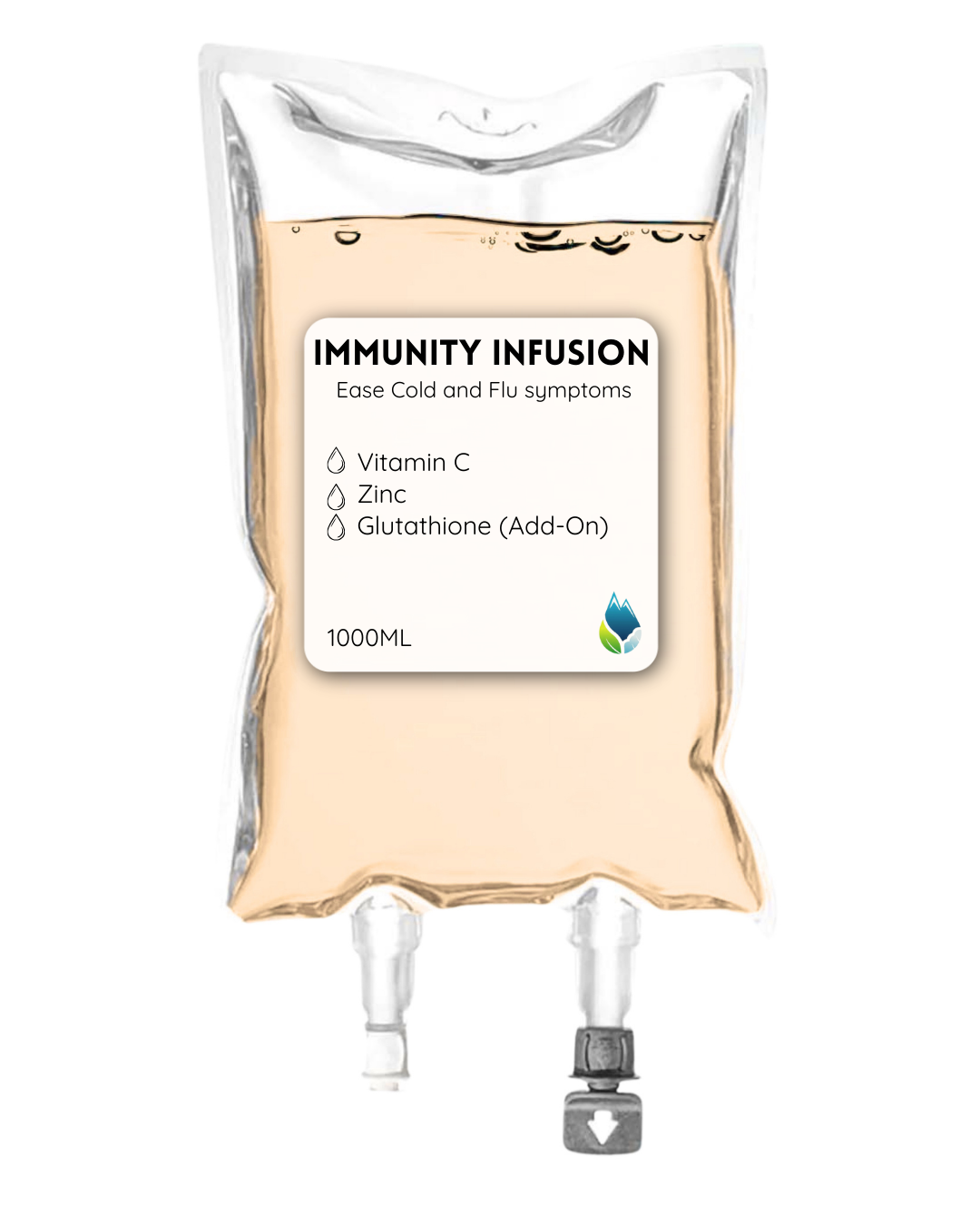
Key Takeaways IV therapy delivers fluids, medications, and nutrients directly into the bloodstream, bypassing the digestive system for 100% bioavailability and immediate therapeutic effect This treatment is used for both critical medical emergencies (severe dehydration, shock, burns) and wellness applications (nutrient replenishment, hangover recovery, fatigue) Common IV solutions include crystalloids for hydration, vitamin formulations like Myers Cocktail for wellness, and specialized medications for specific health conditions While generally safe when administered by trained medical professionals, IV therapy carries potential risks including infiltration, phlebitis, and fluid overload that require proper monitoring Treatment sessions typically last 20-60 minutes and should only be performed by registered nurses or qualified healthcare providers Intravenous (IV) therapy is a medical procedure that delivers fluids, electrolytes, medications, blood products, or nutrients directly into a vein, allowing them to enter the bloodstream rapidly and with nearly 100% bioavailability