Shared decisions, realistic expectations, and steady follow-up help keep safety and outcomes aligned
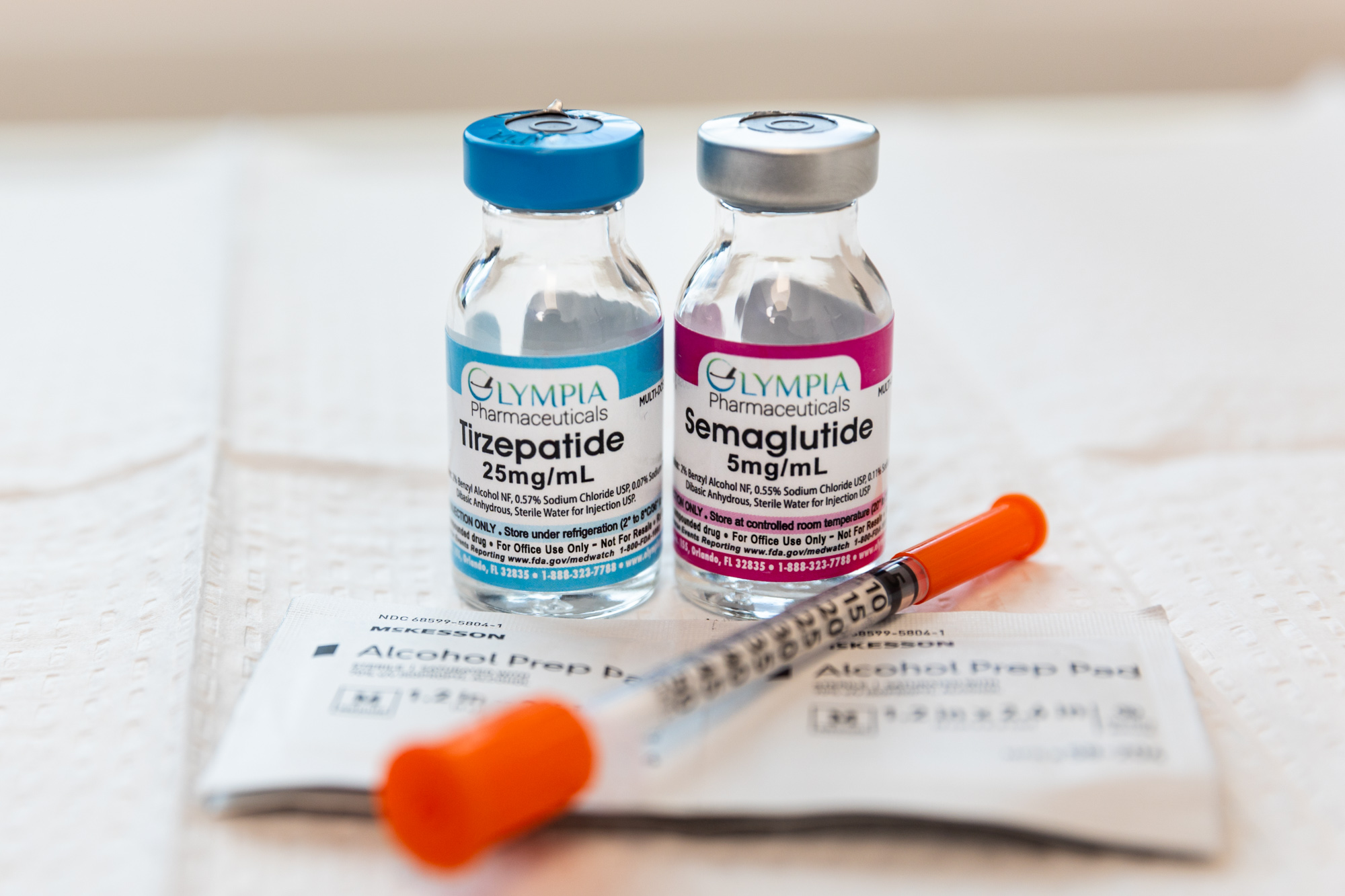
Immediate medical attention is necessary if patients experience: Persistent vomiting lasting more than 24 hours or inability to keep down any fluids Signs of dehydration , including decreased urination, dark urine, dizziness, dry mouth, or confusion Severe abdominal pain , particularly if constant, sharp, or radiating to the back (potential pancreatitis) Vomiting blood or material that looks like coffee grounds Signs of gastroparesis , such as feeling full after eating very small amounts, severe bloating, or vomiting undigested food hours after eating Right upper quadrant pain, fever, or yellowing of skin/eyes , which may indicate gallbladder disease (a known risk with GLP-1 receptor agonists) [7] [8] Patients should contact their healthcare provider within 24-48 hours if they experience moderate vomiting that interferes with daily activities, prevents adequate nutrition or medication intake, or does not improve with conservative measures

Richardson, The Mouse Genome Database (MGD): facilitating mouse as a model for human biology and disease
Its important to note, however, that the highest dose for semaglutide is now 2.2 mg (versus 1 mg used in the study), so more direct comparison is needed