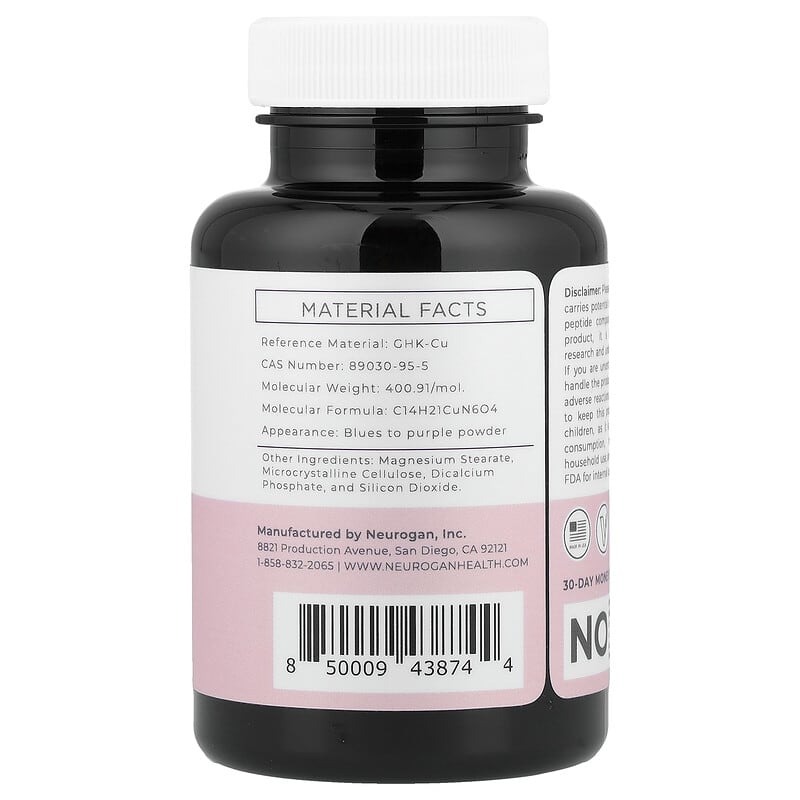
TB-500 vs GHK-Cu: Special Populations Head-to-Head Comparison At a glance TB-500 source / active fragment of thymosin beta-4, a 43-amino-acid protein GHK-Cu source / tripeptide (Gly-His-Lys) complexed with copper(II) ion Primary TB-500 mechanism / actin sequestration, anti-inflammatory cytokine modulation, angiogenesis Primary GHK-Cu mechanism / TGF-beta and VEGF upregulation, collagen synthesis, antioxidant gene activation TB-500 typical dose / 2 to 5 mg subcutaneous injection 2x per week (loading), then 1 to 2 mg weekly GHK-Cu typical dose / 0.5 to 2 mg subcutaneous or topical (skin)
Safety outcomes encompassed treatment-emergent and serious adverse events, the presence of anti-cagrilintide antibodies, and changes in blood pressure, pulse rate, high-sensitivity C-reactive protein, plasma renin activity, and aldosterone levels
Additionally, BPC-157 has been shown to regulate inflammatory responses by reducing pro-inflammatory cytokines and stimulating the release of growth factors vital for healing
Utilizar dentro de 30 das