As reported in the majority of studies, an increase in maximal oxygen consumption and a lowering of the respiratory quotient indicate that dietary carnitine has the potential to stimulate lipid metabolism.5 We now know that L-carnitine plays a decisive role in the prevention of cellular damage and favorably affects recovery from exercise stress. Uptake of L-carnitine by blood cells may induce at least three mechanisms: 1) stimulation of hematopoiesis, 2) a dose-dependent inhibition of collagen-induced platelet aggregation, and 3) the prevention of programmed cell death in immune cells
Found in our saliva and blood plasma, it possesses antibacterial properties and is critical for musculoskeletal repair by upregulating collagen types 1 and 3 following tissue injury
It is relatively inexpensive, uses standard spectrophotometric equipment, and provides reproducible results across a range of biological matrices including cell lysates, tissue homogenates, and plasma samples
Lien G, Bram P, Karolien D, Jan D (2014) Lipases and their functionality in the production of wheat-based food systems
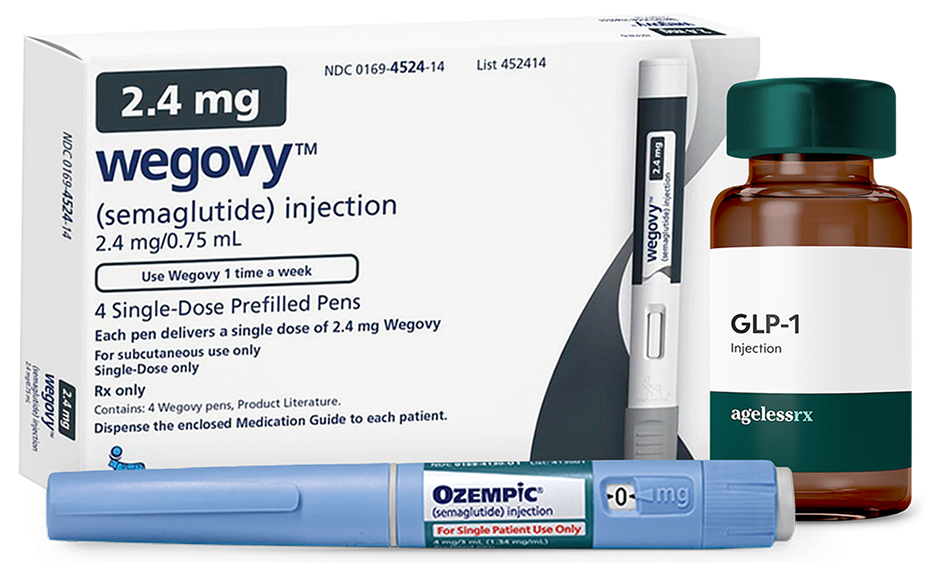
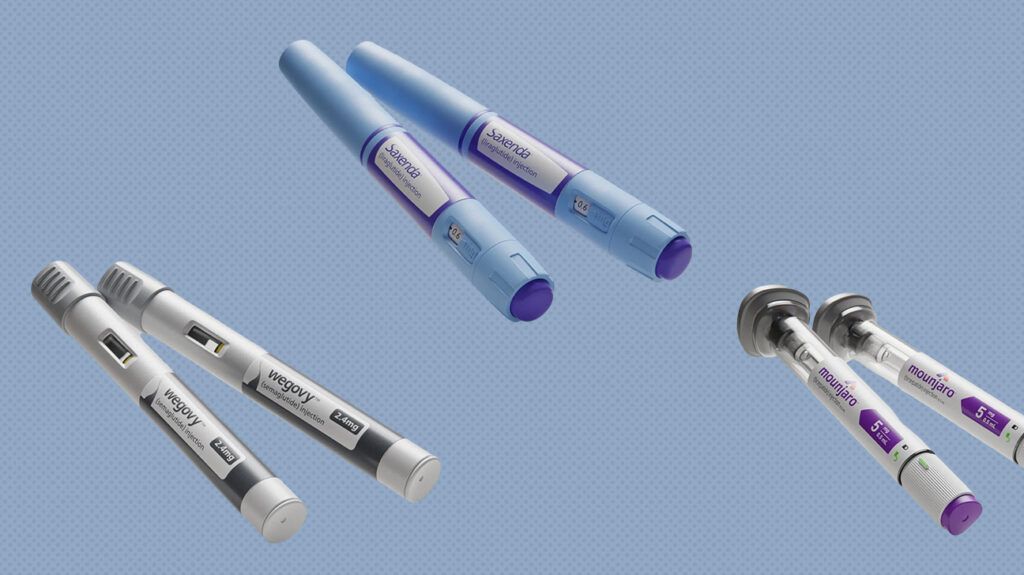









![west virginia glp-1 gastric intestinal obstruction lawyer Trulicity Lawsuit [2026] semaglutide bowel obstruction law firm](https://www.torhoermanlaw.com/wp-content/uploads/2026/02/Trulicity-Lawsuit-TorHoerman-Law-Investigating-the-Trulicity-Lawsuit-torhoerman-law.jpg)