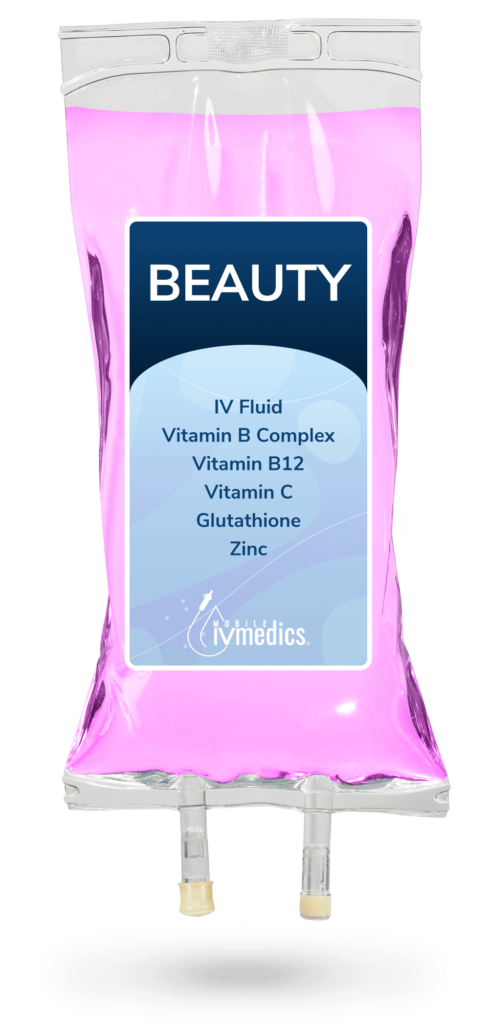
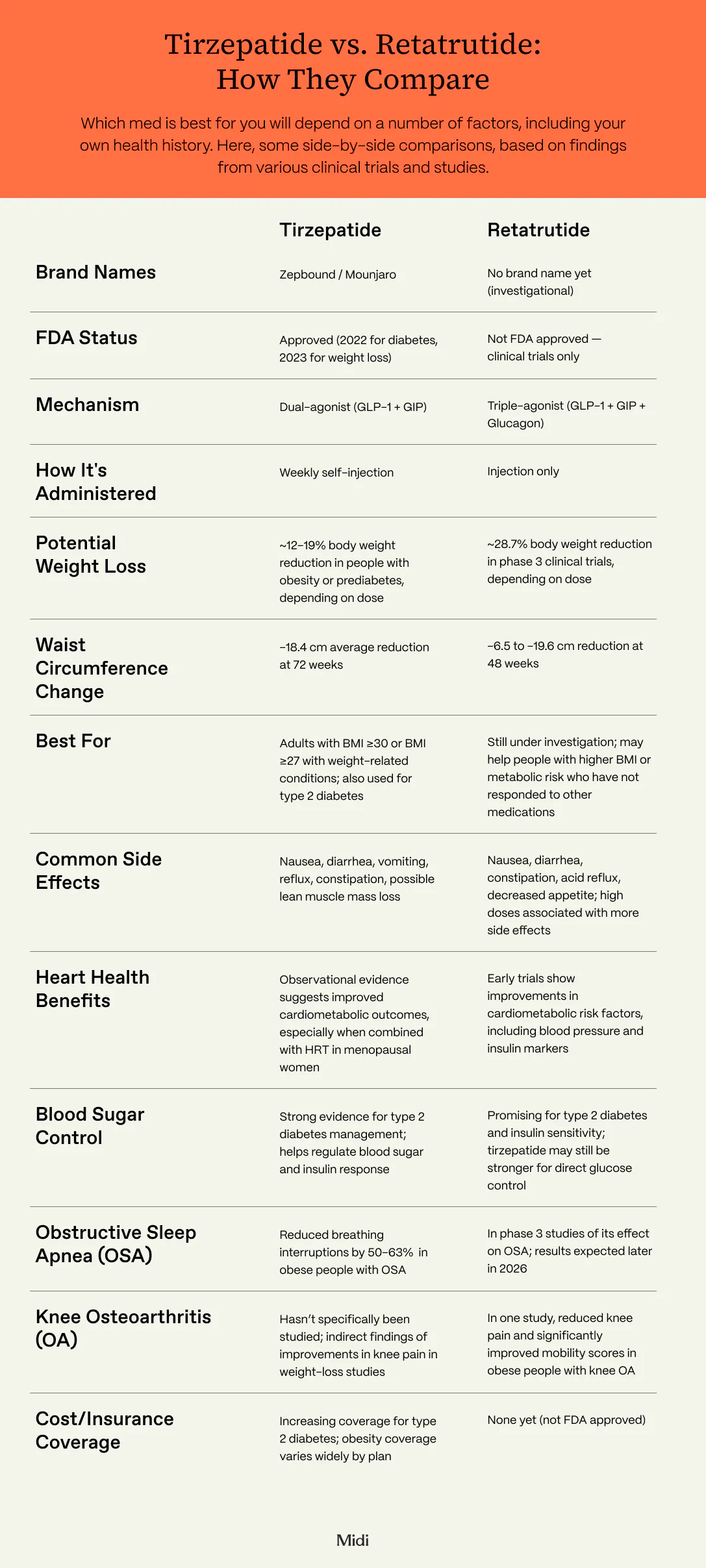
Energy production at the cellular level depends on key nutrients involved in metabolic pathways
The goal is to protect them from guessing, self-dosing, misinterpreting symptoms, or delaying necessary care
To meet the diagnostic criteria for kEDS, a person must meet: Major criterion 1 AND major criterion 2 AND major criterion 3 OR Major criterion 1 AND major criterion 2 AND three minor criteria (general or gene-specific) Major Criteria Congenital muscle hypotonia Congenital or early onset kyphoscoliosis (progressive or non-progressive) Generalized joint hypermobility with dislocations/subluxations (shoulders, hips, and knees in particular) Minor Criteria Skin hyperextensibility Easily bruisable skin Rupture/aneurysm of a medium-sized artery Osteopenia/osteoporosis Blue sclerae Hernia (umbilical or inguinal) Pectus deformity Marfanoid habitus Talipes equinovarus Refractive errors (myopia, hypermetropia) Gene-Specific Minor Criteria PLOD1 Skin fragility (easy bruising, friable skin, poor wound healing, widened atrophic scarring) Scleral and ocular fragility/rupture Microcornea Facial dysmorphology FKBP14 Congenital hearing impairment (sensorineural, conductive, or mixed) Follicular hyperkeratosis Muscle atrophy Bladder diverticula Musculocontractural EDS (mcEDS) If a person meets the diagnostic criteria for mcEDS, genetic testing should be done to confirm the diagnosis
Prohibited by the World Anti-Doping Agency in competition Product Specifications Format: pre-mixed liquid intranasal spray (1:1 BPC-157 to TB-500 ratio per metered amount) Strength: 60 mg total peptide per 30 mL bottle (30 mg BPC-157 + 30 mg TB-500) Purity: 99% (HPLC verified, each component) Container: sealed metered nasal spray bottle Certificate of Analysis: lot-specific COA available, with separate purity and identity verification for both component peptides See the FDA Disclosure, Storage Instructions, and RUO tabs for handling, storage, and regulatory information