Patients planning pregnancy can use this therapy to reach a healthier weight months before conception, then discontinue safely when ready
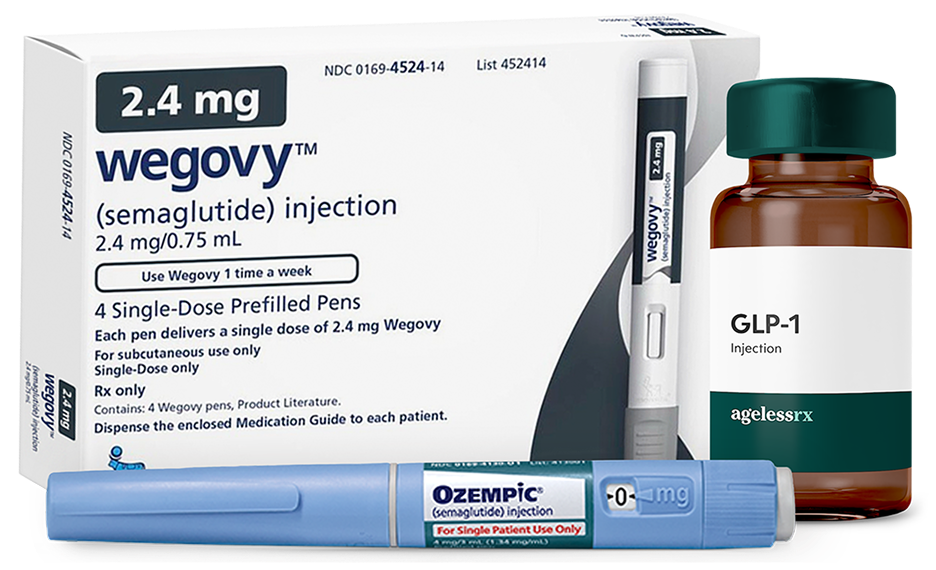
Try the BMI Calculator Table of contents Why the timing question matters for weekly GLP-1 medications The pharmacokinetic case for the 48-hour window One day early vs two days early: where the risk threshold sits The pattern problem: when occasional becomes habitual What most articles get wrong about "missing" vs "early" doses The permanent schedule-change protocol Clinical scenarios: when early dosing is the right call When early dosing creates actual risk The decision tree: should you take it early or wait Traveling across time zones: the special case What to do if you've already taken it early FAQ Why the timing question matters for weekly GLP-1 medications Semaglutide (sold as Ozempic, Wegovy, and available as compounded semaglutide) is dosed once weekly because its half-life is approximately 165 hours, or roughly 7 days (Lau et al., Clinical Pharmacokinetics 2015)
Anti-inflammatories like aspirin and ibuprofen, as well as blood thinners, affect the bloods ability to clot, per the Mayo Clinic, which can lead to excess leakage when a capillary bursts upon impact, resulting in gnarly bruises
That means how one person responds could be totally different from someone else, even at the same dose