Questionnaires were controlled by the research nurse, and the data were checked for outliers, nonsense values and cleaned before uploaded to the study database
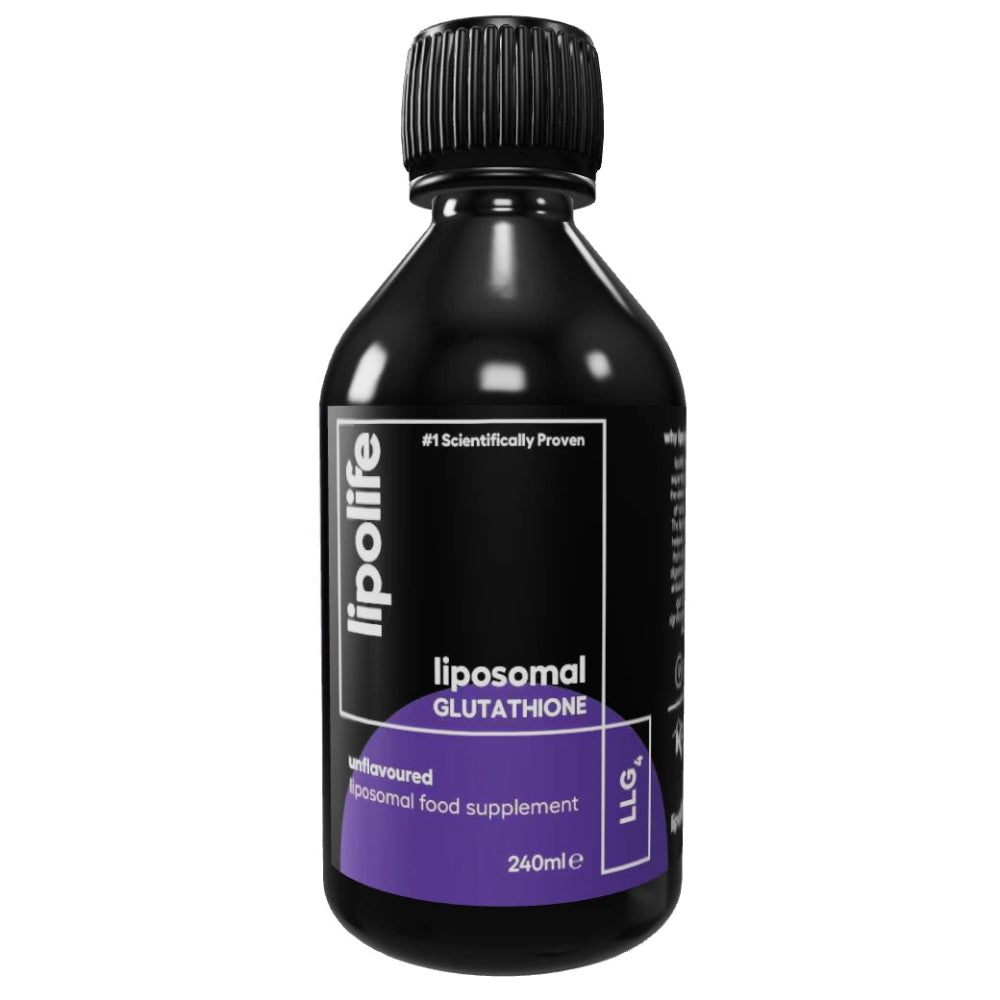
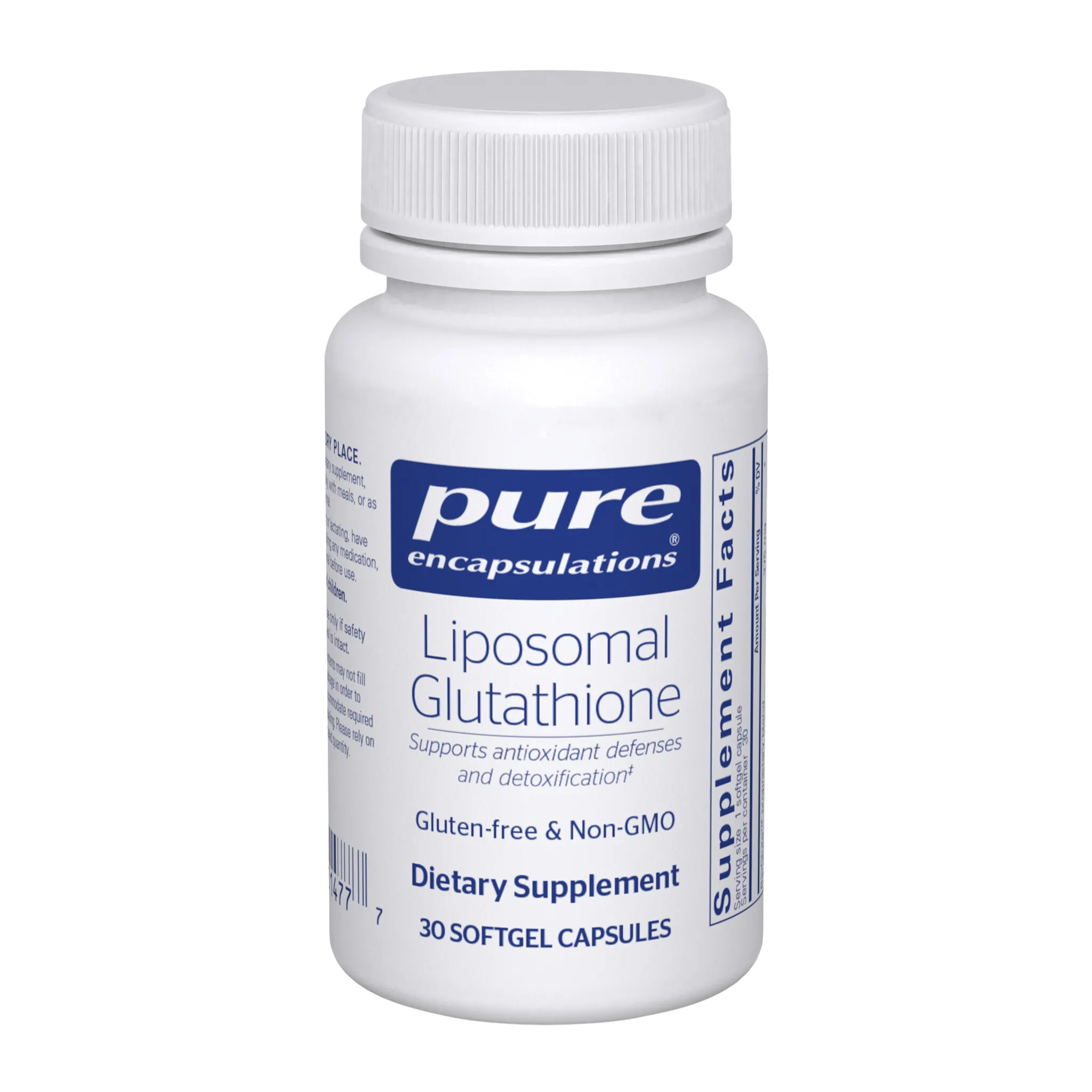
Urgent situations requiring immediate medical attention include: Severe, persistent abdominal pain (with or without vomiting), which may indicate pancreatitis Signs of gallbladder disease (right upper quadrant pain, nausea) Persistent vomiting leading to inability to keep fluids down or signs of dehydration Specific situations requiring consultation include: Persistent gastrointestinal symptoms (nausea, vomiting, diarrhea) lasting beyond the initial adjustment period Unintended weight loss exceeding clinical targets or occurring too rapidly Signs of nutritional deficiency such as fatigue, weakness, hair loss, brittle nails, or neurological symptoms Difficulty meeting protein or caloric needs through diet alone Consideration of high-dose supplements or specialized nutritional products Use of multiple supplements or herbal products with potential interactions Need for medication adjustments if also taking insulin or sulfonylureas to prevent hypoglycemia Patients who are pregnant, planning pregnancy, or breastfeeding should discuss all medications and supplements with their healthcare provider, as certain products may be contraindicated
[1] According to the researchers TGF-beta1 induction of angiogenesis requires a rapid and transient apoptotic effect mediated by VEGF/VEGFR2. AHK-Cu, by enhancing levels of the Vascular Endothelial Growth Factor, may possibly activate fibroblasts and endothelial cells
5 New England Journal of Medicine STEP 1Wilding JPH et al