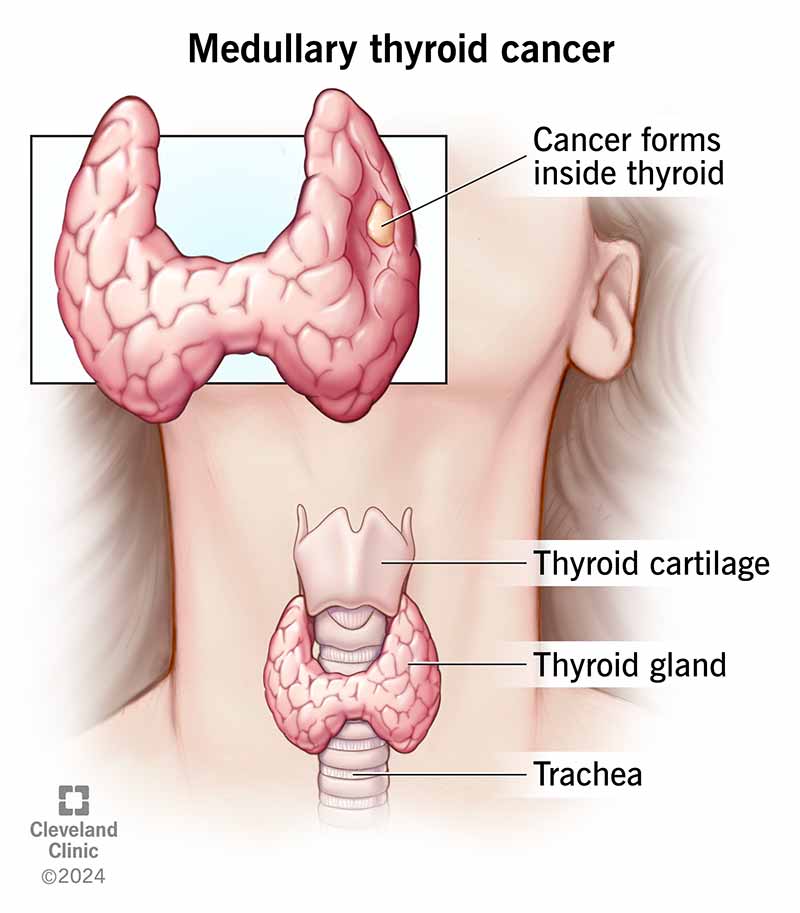
) Weight-related diagnoses (Blood pressure, prediabetes, type 2 diabetes, lipids, sleep apnea, fatty liver disease, cardiovascular history) Prior weight-loss attempts (your lifestyle, nutrition, medications, structured interventions) Relevant medical history (pancreatitis, gallbladder disease, severe GI motility disorders, personal or family history of medullary thyroid cancer or MEN2, pregnancy, or plans for pregnancy) Why it works: GLP-1 medications are indicated for adults with a BMI 30, or a BMI 27 with at least one weight-related condition
Increases IGF-1: Testosterone increases circulating levels of insulin-like growth factor 1 (IGF-1), further promoting muscle growth
Varisco, PharmD, PhD, an assistant professor in the Department of Pharmaceutical Health Outcomes of Policy and assistant director for Research Development in the Prescription Drug Misuse Education and Research Center at the University of Houston College of Pharmacy
SGLT2 inhibitorrelated adverse effects, including genital mycotic infections, volume depletion, and rarely ketoacidosis, remain clinically relevant and should be considered when these agents are prescribed as part of combination therapy and importantly, the intrinsic risk of hypoglycemia with combined GLP-1 receptor agonist and SGLT2 inhibitor therapy is low because neither class directly stimulates insulin secretion in a glucose-independent manner and when hypoglycemia occurs, it is more commonly related to concomitant insulin or sulfonylurea use rather than the combination itself [41, 42, 44]