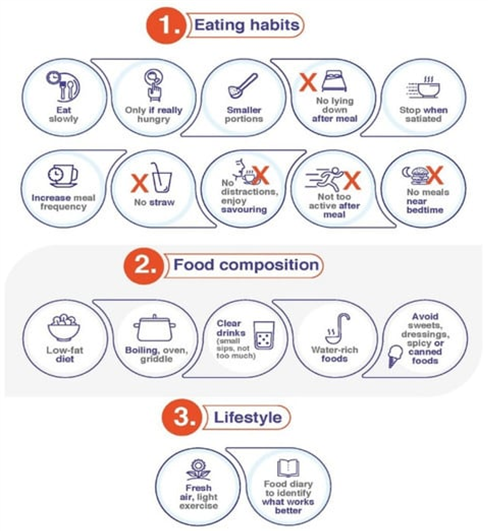
Nonstarchy vegetables, along with fruits like berries and apples, provide essential vitamins and antioxidants. This means looking for cookbooks that prioritize these ingredients in ways that work for smaller appetites and tender bellies
High-fiber foods that support GLP-1 production include: Legumes and pulses : Lentils, chickpeas, black beans, and kidney beans provide both soluble fiber and resistant starch Whole grains : Oats, barley, quinoa, and intact whole grains (not refined products) Vegetables : Particularly cruciferous vegetables (broccoli, Brussels sprouts), artichokes, and leafy greens Nuts and seeds : Almonds, chia seeds, flaxseeds, and psyllium husk Fruits : Berries, apples with skin, pears, and citrus fruits The USDA Dietary Guidelines for Americans recommend consuming 14g of fiber per 1,000 calories, which translates to about 25g daily for women and 38g for men
Countries should treat cost limitations similarly to supply shortages: they should deploy policies that carefully prioritise specific populations rather than deny coverage [65]
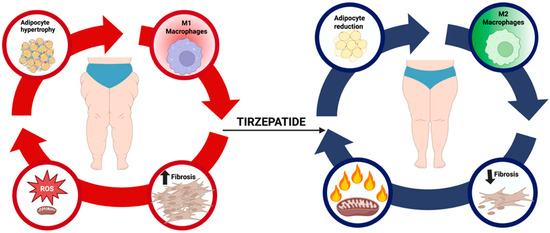
Some studies have also documented improvements in markers of endothelial dysfunction and oxidative stress, processes intimately linked with vascular inflammation