Donor characteristics and isolation center details are indicated in Supplementary Table 2
note that daily dosing is only for the activation phase of the GLOW protocol (weeks 1-4) , decreasing to 5x per week for the remodeling phase (weeks 5-8), and further reduced to 2-3x per week during maintenance (weeks 9-12)

To meet the diagnostic criteria for kEDS, a person must meet: Major criterion 1 AND major criterion 2 AND major criterion 3 OR Major criterion 1 AND major criterion 2 AND three minor criteria (general or gene-specific) Major Criteria Congenital muscle hypotonia Congenital or early onset kyphoscoliosis (progressive or non-progressive) Generalized joint hypermobility with dislocations/subluxations (shoulders, hips, and knees in particular) Minor Criteria Skin hyperextensibility Easily bruisable skin Rupture/aneurysm of a medium-sized artery Osteopenia/osteoporosis Blue sclerae Hernia (umbilical or inguinal) Pectus deformity Marfanoid habitus Talipes equinovarus Refractive errors (myopia, hypermetropia) Gene-Specific Minor Criteria PLOD1 Skin fragility (easy bruising, friable skin, poor wound healing, widened atrophic scarring) Scleral and ocular fragility/rupture Microcornea Facial dysmorphology FKBP14 Congenital hearing impairment (sensorineural, conductive, or mixed) Follicular hyperkeratosis Muscle atrophy Bladder diverticula Musculocontractural EDS (mcEDS) If a person meets the diagnostic criteria for mcEDS, genetic testing should be done to confirm the diagnosis

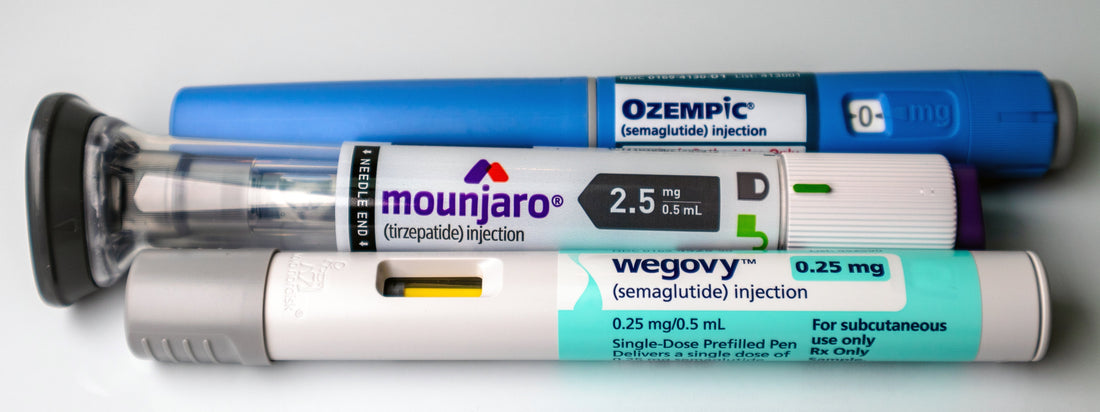
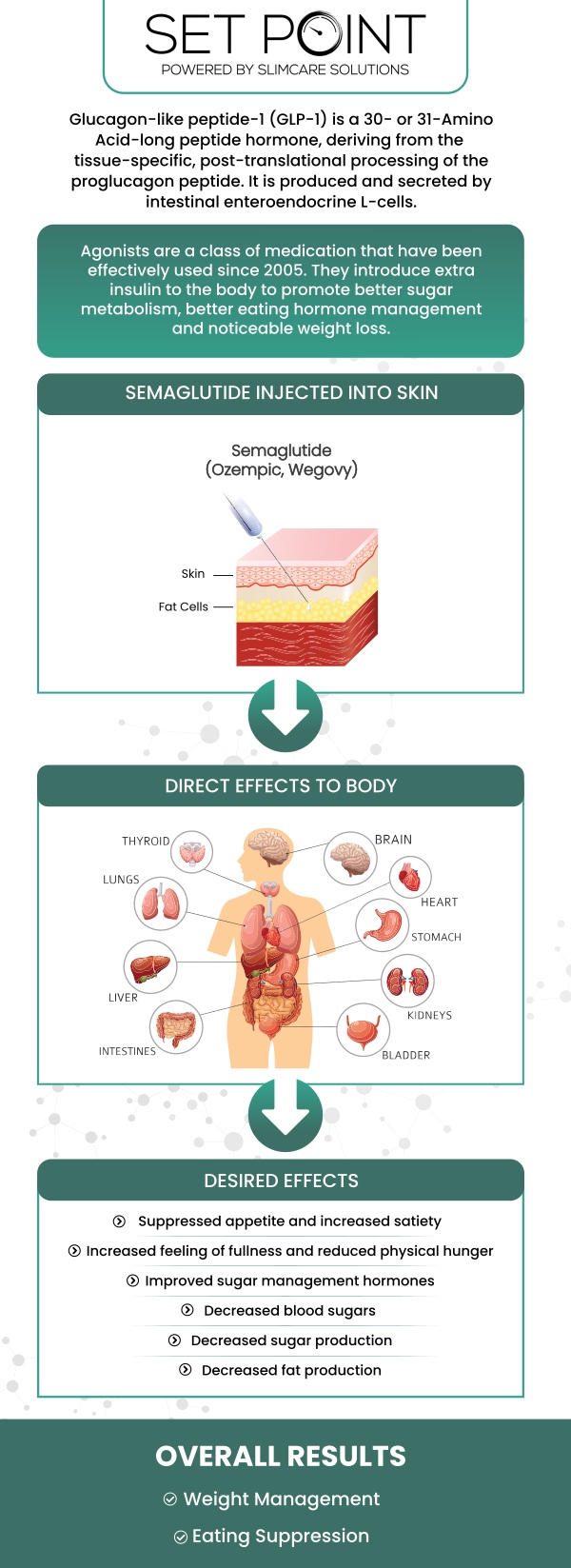
A novel oral formulation of the GLP-1 receptor agonist semaglutide (Rybelsus) was recently approved for the treatment of T2DM