Practical Takeaways Recognize that intrinsic factor is essential for B12 absorption and cannot be replaced by dietary changes alone Understand that conditions affecting parietal cells can lead to B12 deficiency regardless of dietary intake Consider B12 monitoring in patients with gastric surgery, autoimmune conditions, or chronic PPI use Be aware that oral B12 supplements may be ineffective in intrinsic factor deficiency Appreciate that B12 deficiency can develop slowly and cause subtle neurological symptoms before anemia appears Consider alternative B12 delivery methods (sublingual, injectable) when intrinsic factor deficiency is suspected Related Studies and Research Vitamin B12 Intake From Animal Foods, Biomarkers, and Health Aspects Physiology, Stomach Pharmacology of Proton Pump Inhibitors Use of Proton Pump Inhibitors and Risk of Iron Deficiency: Population-Based Study Episode 25: The Great GERD Mistake - How Medicine Made Heartburn Worse and How to Fix It FAQs What happens if I dont have enough intrinsic factor

Practical hydration guidance from the NHS suggests: Aiming for 68 glasses (approximately 1.2 litres) of fluid daily Increasing intake during hot weather or physical activity Recognising that tea, coffee, and other beverages contribute to fluid intake Monitoring urine colour as a simple hydration indicator (pale yellow suggests adequate hydration) Important safety notes: People with heart failure, advanced kidney disease, or other conditions may need to restrict fluid intake and should follow their healthcare professional's advice Excessive water consumption can cause hyponatraemia (low sodium levels), which can be dangerous For individuals with diabetes or metabolic conditions, maintaining good hydration supports overall disease management but should be viewed as part of a comprehensive approach rather than a specific intervention for incretin hormone levels
Balanced Progesterone can: Women naturally produce about 3x more testosterone than estrogen, yet its rarely talked about
Protein is non-negotiable GLP-1 agonists cause weight loss through multiple mechanisms, but not all weight loss is equal







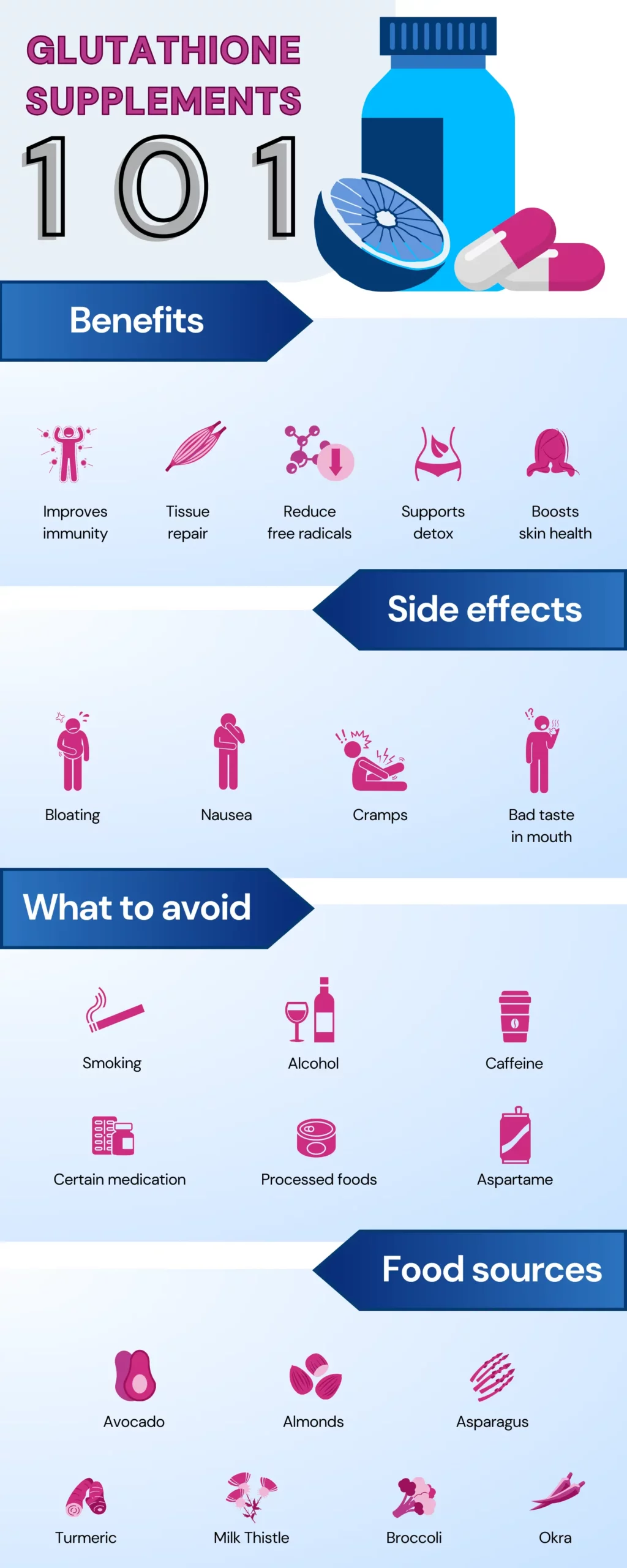


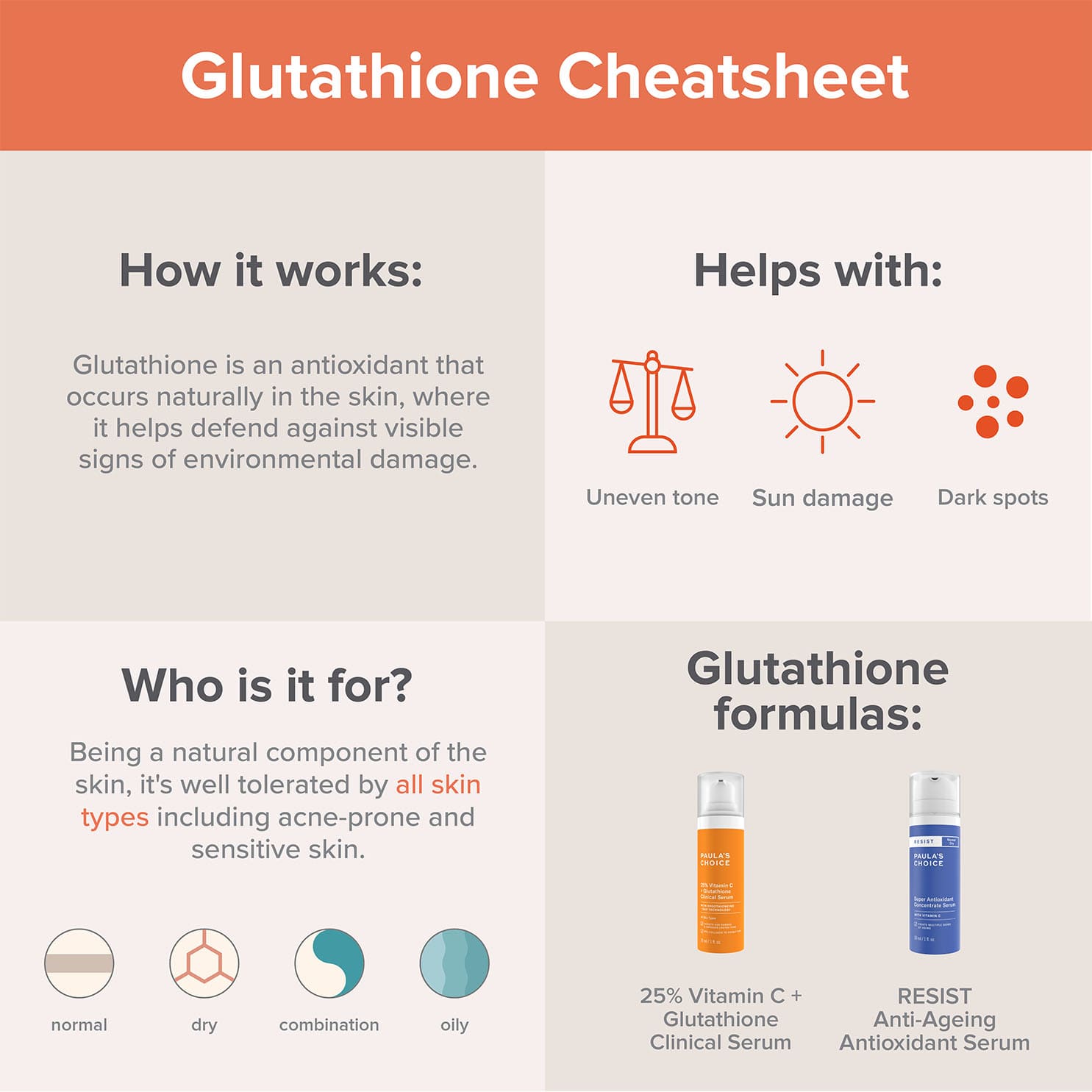
:max_bytes(150000):strip_icc()/benefits-of-glutathione-89457_final-01-502464fe91b2444285b0cccf8cb0a33c.png)


![[Magsafe Compatible] Apple iPhone 13/Pro/Pro Max Patchwork Leather Shockproof Essentials Series Case Model:iPhone 13 Pro](https://cdn.shopify.com/s/files/1/0085/9150/7533/files/01_3495f13b-1a47-41b6-8830-01c1fe9d3854.png?v=1741056166)