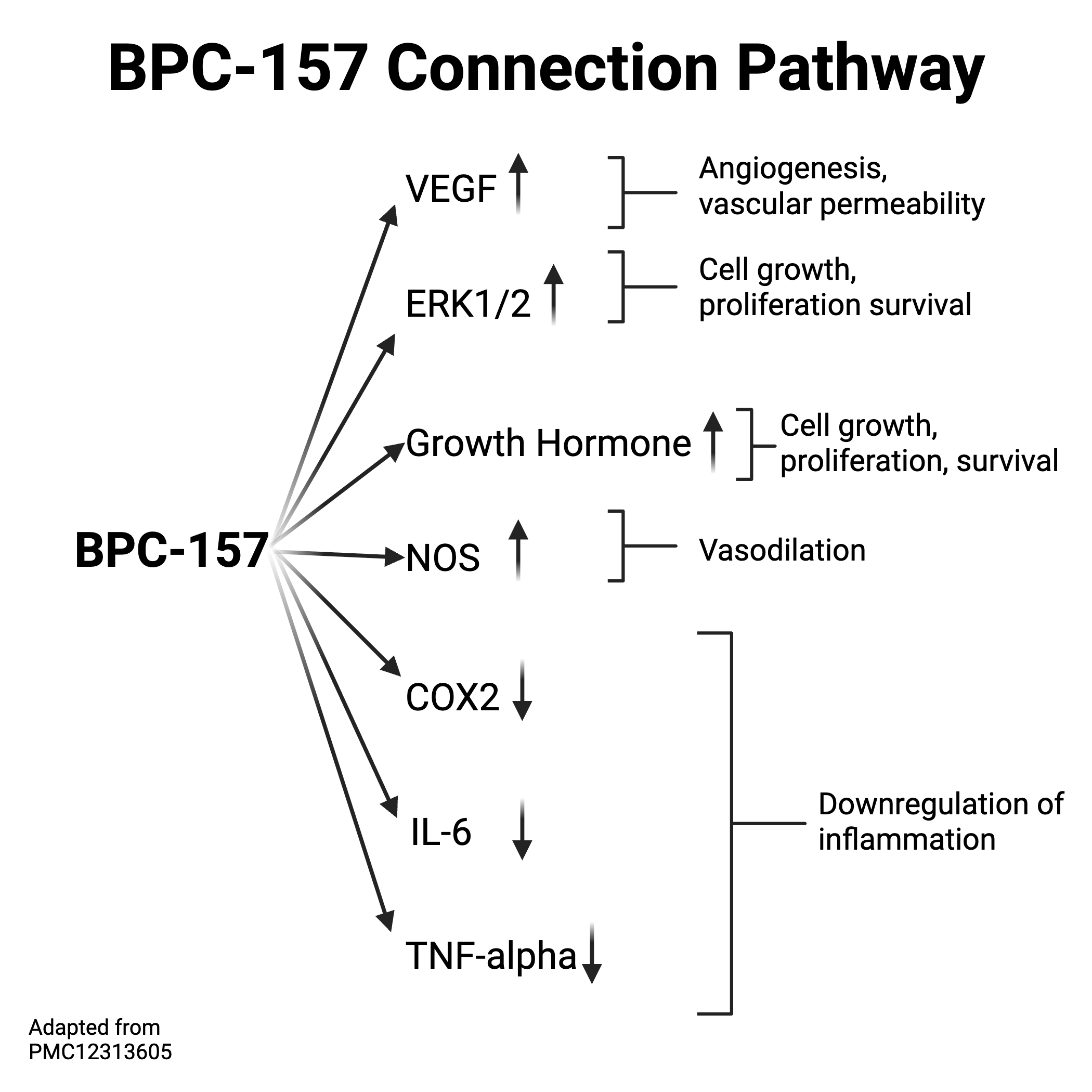
Patients who have relied on this peptide for recovery from sports injuries or surgical procedures will need to consult with their healthcare providers to explore alternative, FDA-approved therapies that offer similar regenerative benefits
with 5 mL yields 6 mg/mL
Screening may be warranted in patients with one or more risk factors, such as gastric or small intestine resections, inflammatory bowel disease, use of metformin for more than four months, use of proton pump inhibitors or histamine H 2 blockers for more than 12 months, vegans or strict vegetarians, and adults older than 75 years
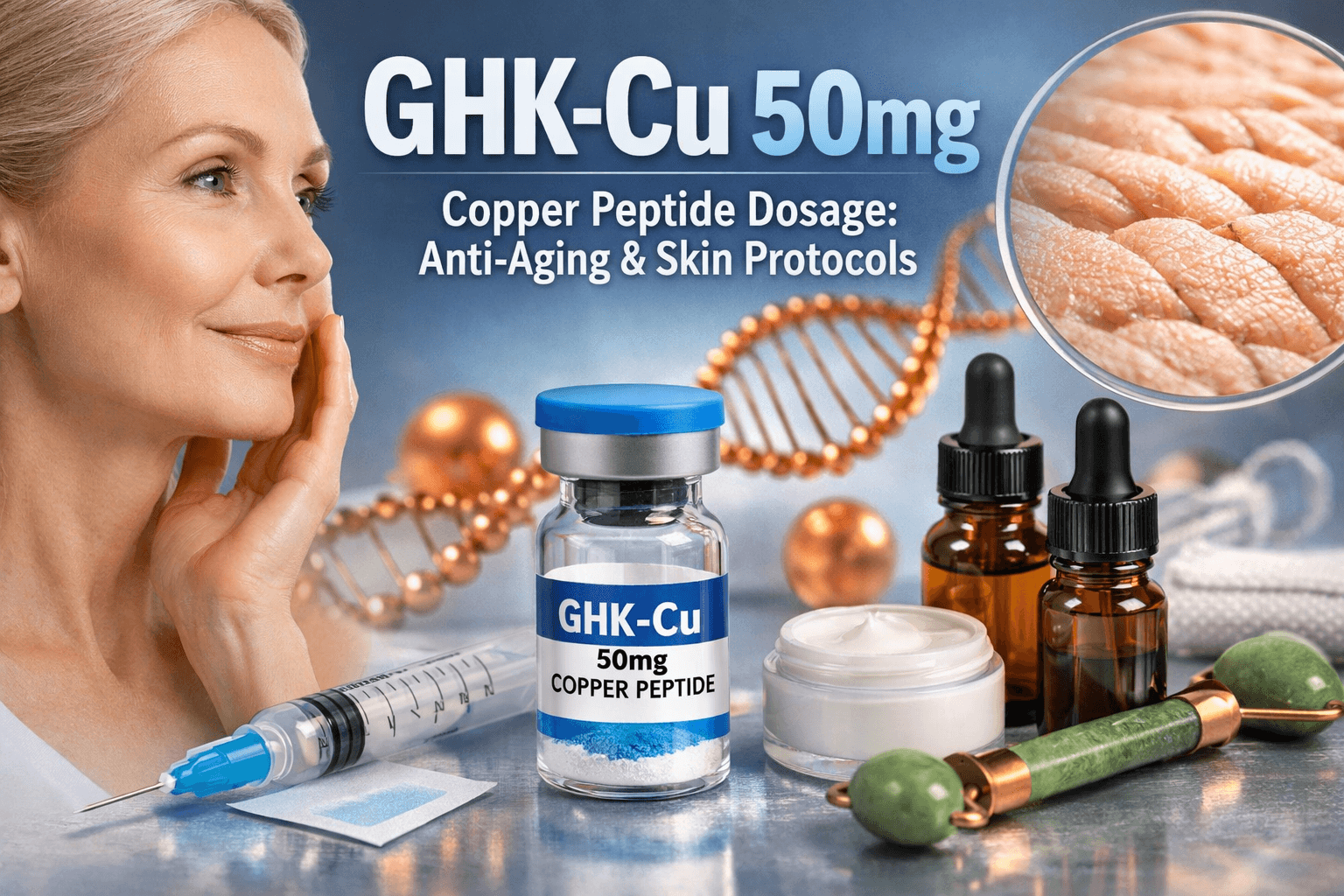
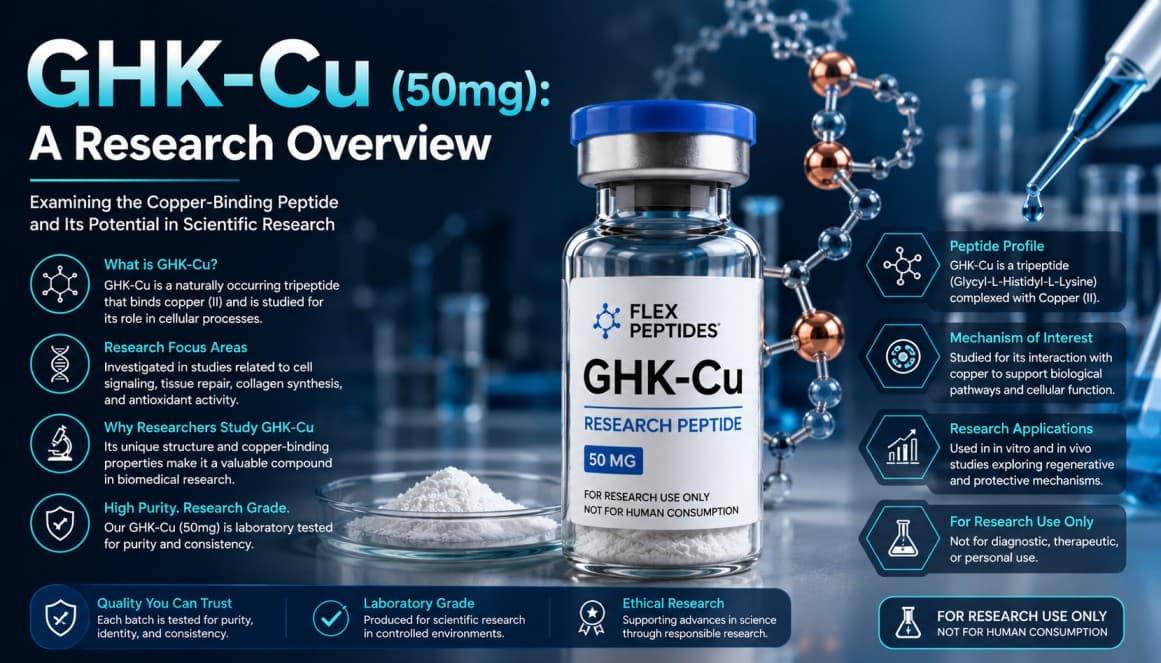
During the review, the committee will likely consider: The extensive body of published research on GHK-Cu (decades of studies) Safety data for both injectable and topical routes The clinical rationale for copper peptide therapy in anti-aging and wound healing Quality control considerations for compounding GHK-Cu formulations Public comments from patients, dermatologists, anti-aging practitioners, and pharmacies Given GHK-Cu's long history of use and substantial research base, many in the peptide therapy community are cautiously optimistic about a positive PCAC recommendation particularly for the topical route