The lawsuits filed by people affected by GLP-1 medications focus on several serious gastrointestinal injuries: Gastroparesis (stomach paralysis) , a condition where the stomach loses its ability to properly move food into the small intestine, causing severe nausea, vomiting, malnutrition, and requiring long-term dietary changes or feeding tubes Ileus , a temporary but serious condition where intestinal motility stops, causing severe pain, bloating, inability to pass gas or stool, and sometimes requiring hospitalization Intestinal obstruction , including mechanical blockages and pseudo-obstruction where the intestines stop functioning without a physical blockage Severe and persistent nausea and vomiting , often requiring emergency room visits, IV fluids, and anti-nausea medications Cyclic vomiting syndrome , characterized by repeated episodes of severe vomiting with no apparent cause Malnutrition and severe weight loss , resulting from the inability to eat or digest food properly Dehydration and electrolyte imbalances , caused by persistent vomiting and inability to keep fluids down Many of these conditions have required hospitalization, feeding tubes, surgical interventions, and permanent dietary restrictions

The pregnancy planning question The slow clearance is the reason for a rule that surprises people: semaglutide should be stopped in advance of trying to conceive, commonly around two months before, so the medicine has genuinely left the body before a pregnancy begins
GPx is highly expressed in neurons and astrocytes and is critical for protecting the brain against oxidative damage
The full-length PGRMC1 cDNA fragment containing resistant sequences for shRNA was generated by using the primers (Supplementary Methods), and ligated into the Eco RI and Bam HI sites of the C-terminus of the 3xFLAG-tagged expression vector p3xFLAG CMV14 (Sigma)





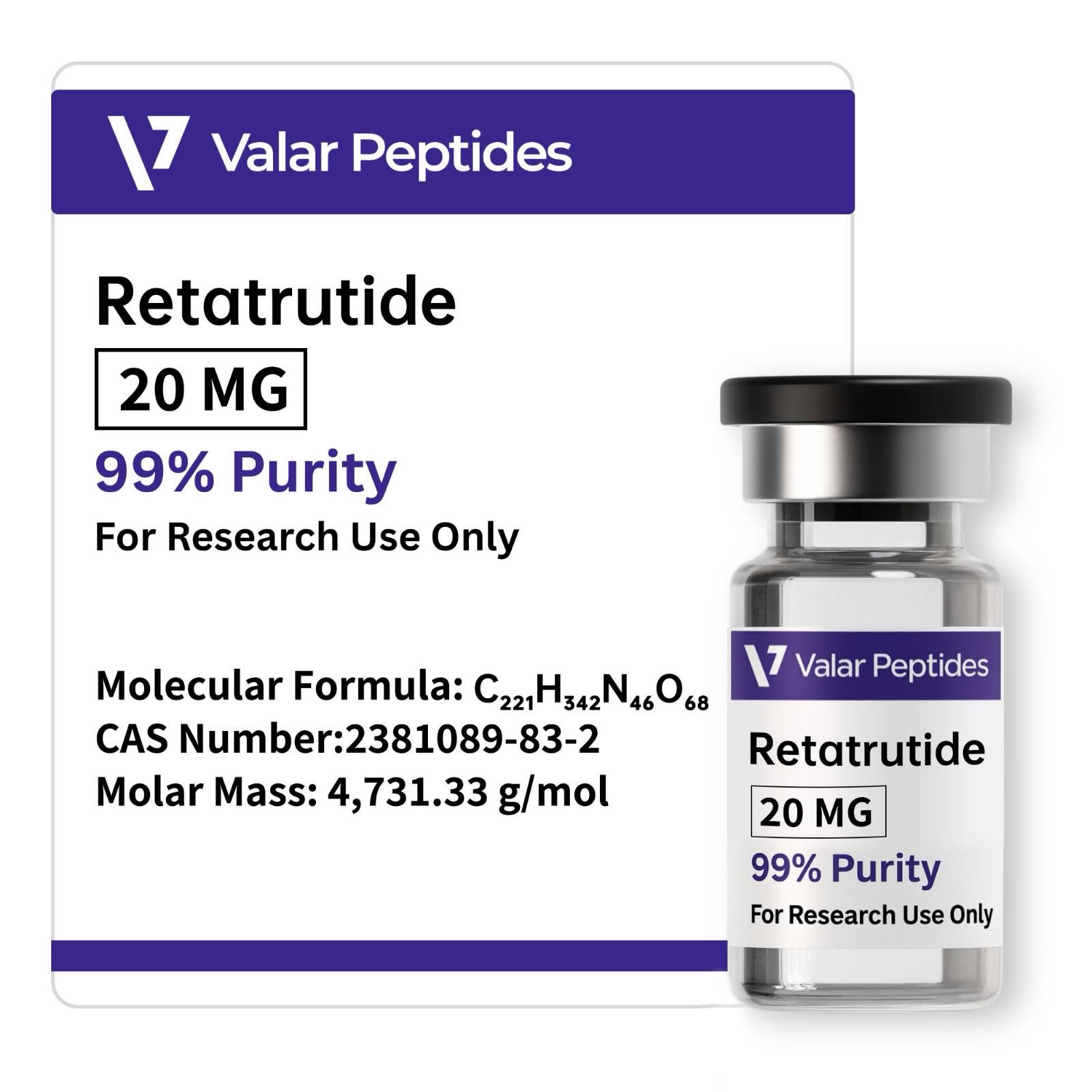






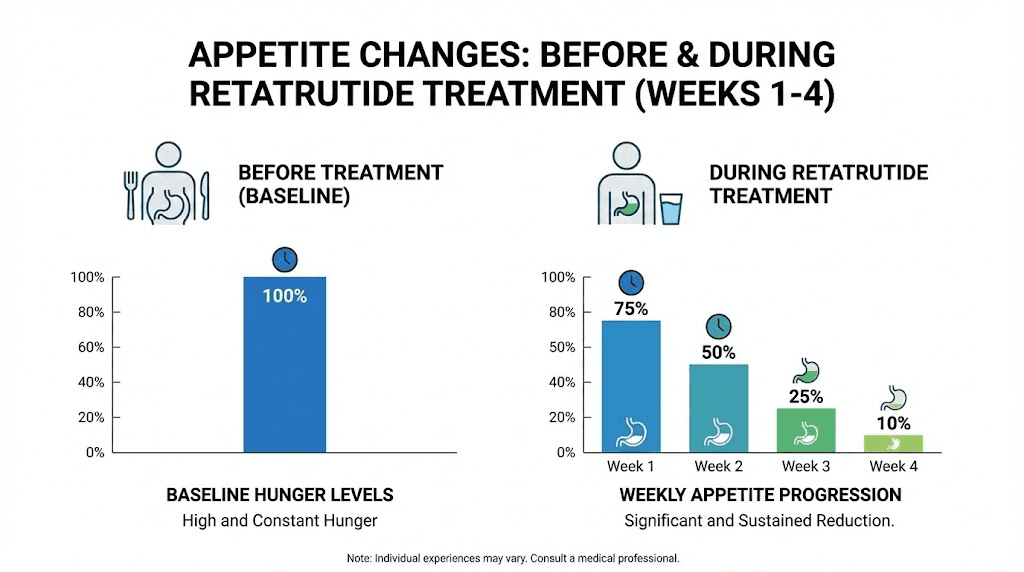


![How Fast Does Retatrutide Work? Complete Timeline [2026]](https://www.redfoxpeptides.is/wp-content/uploads/2026/01/how-fast-does-retatrutide-work-complete-timeline-1200x600-1.jpeg)