IV repletion is used in clinical practice as part of protocols for NAFLD, NASH, alcoholic liver disease, viral hepatitis B and C, heavy metal and environmental toxin exposure, mold toxicity protocols, and post-acetaminophen toxicity recovery

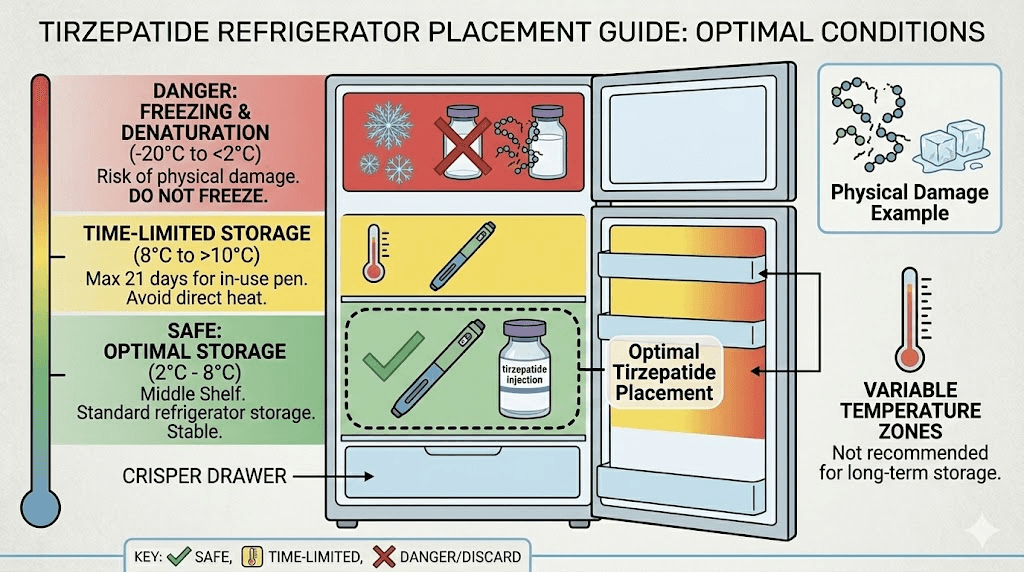
Lyophilized vs liquid peptide stability Lyophilized (freeze-dried) powder: Most peptides sold in this form Moisture removed via freeze-drying Very stable when dry Can last years if stored properly Requires reconstitution before use Lyophilized stability: Freezer (-20C): 2-5+ years for most peptides Refrigerator (2-8C): 1-2 years typical Room temperature: Weeks to months (varies by peptide) Key factor: Keeping it DRY (moisture is enemy) Liquid (reconstituted) peptides: Peptide dissolved in water Much less stable than powder Water enables hydrolysis Bacterial contamination risk higher Limited shelf life Liquid stability: Refrigerated with bacteriostatic water: 28-30 days typical Refrigerated with sterile water: 5-7 days maximum Room temperature: Hours to 1-2 days only Frozen (reconstituted): DO NOT FREEZE liquid peptides Key principle: Keep peptides as dry powder until needed, then use reconstituted solution within recommended timeframe
This work was supported by the Lundbeck Foundation (R191-2015-1118), Det Obelske Familie Fond, Aalborg University and Aarhus University
In rabbit dermal wounds, GHK-Cu facilitated healing through multiple mechanisms: better wound contraction, faster development of granular tissue, improved angiogenesis, and elevated levels of antioxidant enzymes [1]